
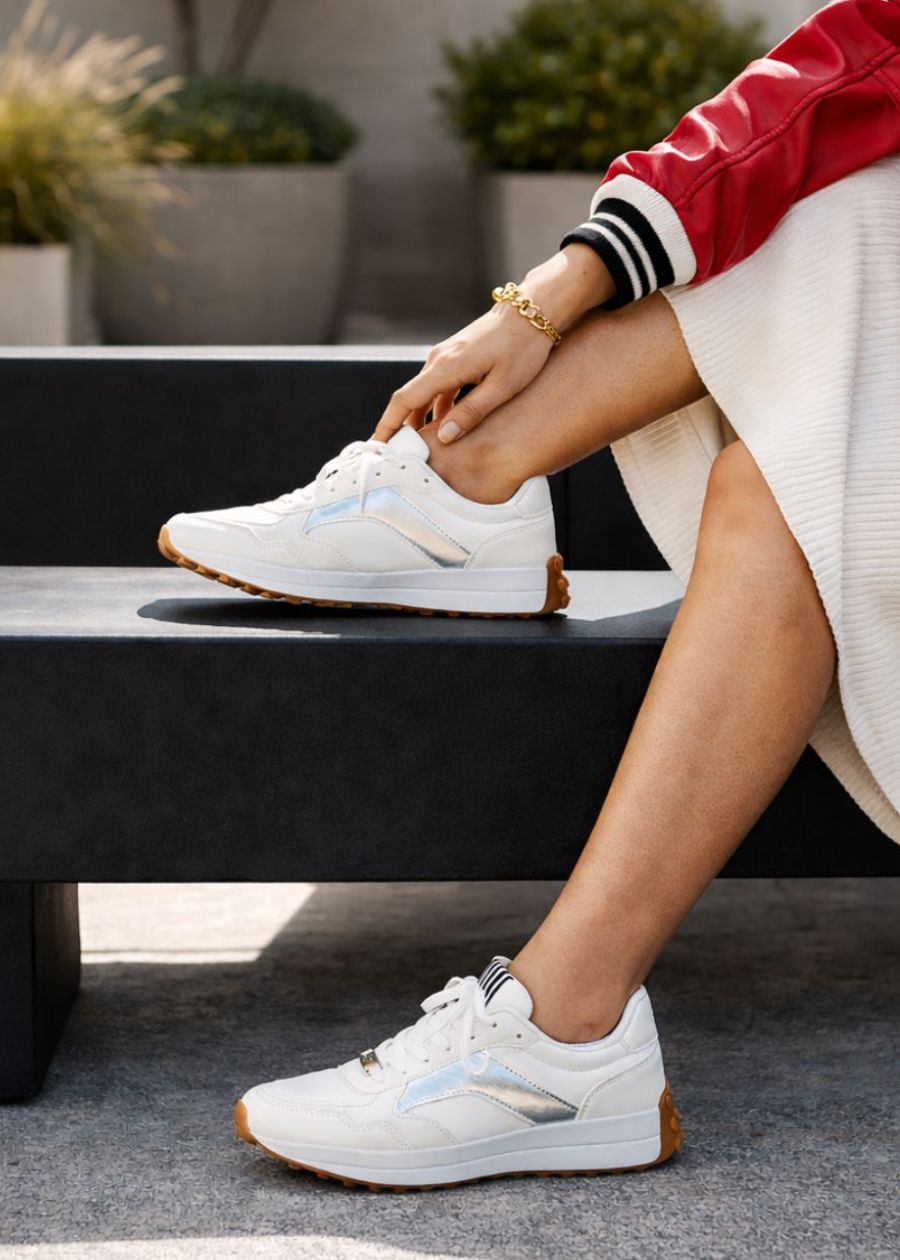
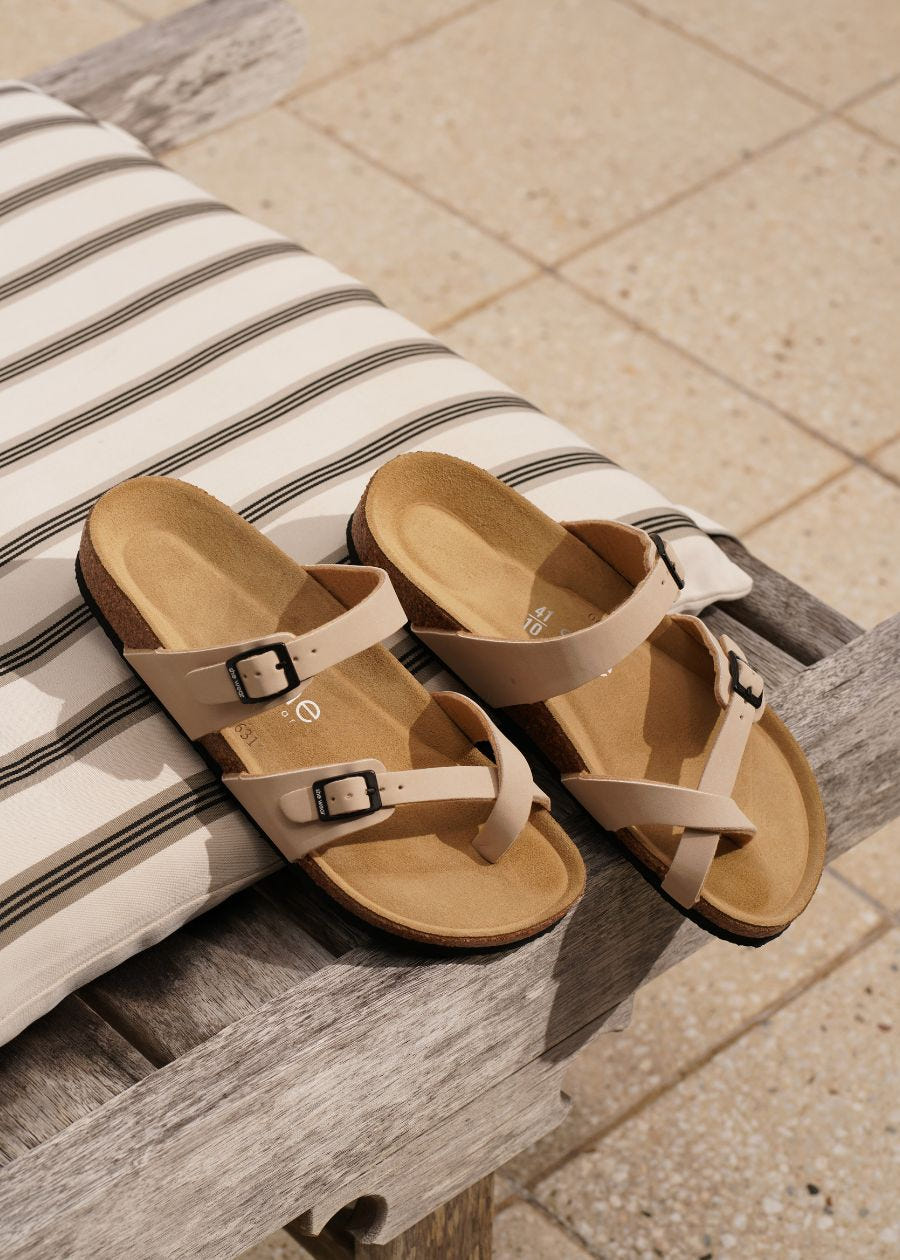
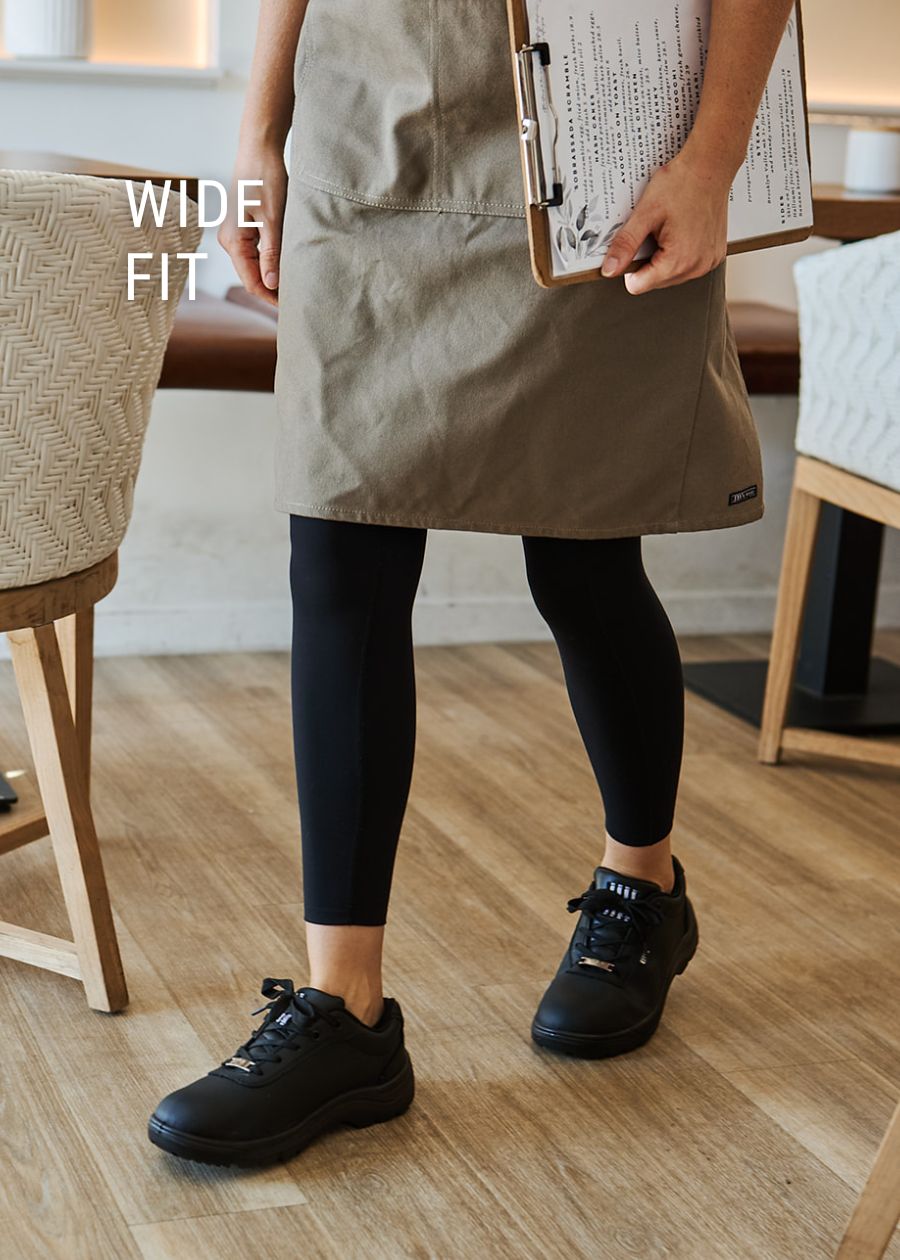
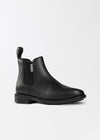
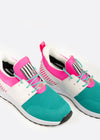

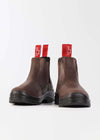
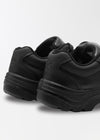



Transitioning to Supportive Footwear for Problematic Feet

Designed for support. Built for long term comfort.

Support that stabilises and aligns your foot

Supportive footwear works differently .. and that’s a good thing!

If you have plantar fasciitis, bunions, arthritis, Morton’s neuroma, calf issues, Achilles sensitivity, or generally sensitive and problematic feet, transitioning into supportive footwear should be done gradually.

Most customers find their she wear footwear comfortable from their very first wear. Our footwear is made using premium, durable materials designed to provide long term support and stability. Because these materials are designed to retain their structure, they may feel different to softer, flatter, or less supportive shoes initially.

If you have sensitive or problematic feet, or if you are used to unsupportive footwear, your body may need time to adjust to the structured support. Supportive footwear stabilises your foot in a healthier position .. and like any positive structural change, your body may need time to adapt.This guide explains what to expect and how to transition safely.

GOOD DIFFERENT!

Why supportive footwear feels different

Supportive footwear is designed to stabilise and guide your foot, rather than simply cushion it.

If you are used to soft, flexible, flat, or worn out shoes, supportive footwear may feel firmer or more noticeable at first. This is because your foot is adjusting to improved alignment and support. Your muscles, tendons, and joints need time to adapt to working in a more stable position.

This applies to many common foot conditions, including:

• Plantar fasciitis
• Bunions
• Morton’s neuroma
• Arthritis
• Achilles sensitivity
• Calf tightness
• General foot fatigue

This adjustment period is normal.

woman wearing supportive shoes and she is smiling

Helps reduce strain on key structures

Heel-to-toe pitch and why it matters

Heel-to-toe pitch refers to the height difference between the heel and forefoot. She wear footwear is designed with an intentional heel-to-toe pitch to help reduce strain on key structures of the foot and lower leg.

This can help:

• Reduce strain on the plantar fascia
• Reduce tension through the Achilles tendon
• Support more stable alignment
• Reduce fatigue over long periods

If you are used to flatter shoes, your body may need time to adjust to this improved position. This is normal and expected. This is particularly important when spending long periods on hard, flat modern surfaces, which place greater strain on the foot and lower leg.

Our feet weren’t designed for concrete

Modern surfaces place very different demands on our feet

Human feet evolved to walk on natural, uneven terrain such as grass, soil, and sand. These surfaces are softer and allow natural variation in movement and load. Modern environments are very different. Concrete, tiles, timber, and other hard, flat surfaces are unforgiving and do not absorb impact. They also do not provide any natural variation to help distribute load through the foot.

Spending long hours standing or walking on hard, flat surfaces can increase strain on the plantar fascia, Achilles tendon, joints, and supporting structures of the foot. Supportive footwear helps absorb impact, stabilise the foot, and reduce excessive strain in these environments. This is particularly important if you spend long days on your feet at work or on hard flooring.

womens supportive footwear at she wear

Give your feet time to adapt to structured support

Follow This Transition Schedule

If you are wearing your new shoes and notice discomfort, fatigue, or increased awareness in your feet, this is usually a sign that your body is adjusting to the structured support. This is more common if you have problematic feet, or if you are used to softer, flatter, or less supportive footwear. A gradual transition allows your muscles, tendons, and joints time to adapt safely and comfortably.

Rushing the transition is the most common reason people experience discomfort. Following a gradual transition allows your body to adapt properly.

Follow this transition plan:

Day 1

10-15 minutes

2

20-30 minutes

3

30-60 minutes

4

1-2 hours

5

2-3 hours

6

3-4 hours

7

Half day wear

Week 2

Gradually increase toward a full day 

If discomfort increases, reduce wear time and progress more slowly.

Some people transition quickly, while others may take longer. Follow what your body is telling you and increase wear time gradually as your comfort improves.

Best results come from a combined approach

Supportive footwear is one part of managing problematic feet

Footwear plays an important role, but it is only one part of managing sensitive or problematic feet. Improvement often involves a combination of :

• Supportive footwear
• Gradual transition
• Managing time on your feet
• Stretching and mobility
• Strengthening
• Professional medical advice where appropriate

Supportive footwear helps reduce strain, but it cannot instantly resolve existing conditions.

If you have persistent, severe, or worsening symptoms, we recommend consulting a podiatrist, physiotherapist, or medical professional. They can provide individual assessment and treatment appropriate for your condition.

physio massaging feet

COMFORT & SUPPORT

What most people experience

Most customers find their she wear footwear comfortable from their very first wear. However, if you have problematic feet .. or if you are used to soft, flat, or unsupportive shoes .. your feet may need time to adjust to the structured support.

Supportive footwear stabilises your foot in a healthier position .. and like any positive structural change, your body may need time to adapt. This adjustment period is normal and temporary. Allowing a gradual transition gives your body time to adapt and helps ensure the best long term comfort, stability, and support.

5 star reviews

Trusted by women who need real support

Many of our customers come to us after struggling with foot pain, fatigue, or long days on hard surfaces. Read some of our reviews below.

GREAT WALKING SHOE

"Very comfortable and nice wide fit. It has already helped with my plantar fasciitis."

JULIETTE, reviewing Pace walking shoe

STURDY, SUPPORTIVE AND SMART

“I have very wide knobbly old feet and it's impossible to get comfortable footwear, but i can wear these for a whole hospital shift without any trouble. I'm absolutely thrilled with them."

CELIA, reviewing Nurtures work shoes

PERFECT

"I was diagnosed with sesamoiditis earlier this year. Bought a pair of your shoes and showed them to my podiatrist - he said they were perfect! So I now have 3 pairs and love them all - zero foot pain. Thanks so much for all the work you’ve done to design these amazing shoes."

JUDY, reviewing Supports 2 sneakers

AMAZING!

“Amazing shoes on my feet from 6am to 6pm NO PAIN just pure comfort! Just get them you will not regret it."

MAISIE, reviewing Does safety boots

STRAIGHT TALK, no fluff

Frequently asked questions

What makes she wear shoes different?

Unlike standard off-the-shelf styles, our shoes are engineered for comfort and support, using bio mechanical footbeds, structured heel counters, and shock absorbing midsoles - all tailored to the shape and needs of women’s feet.

We don't "downsize" a man's shoe or boot and we have a fit and functionality first approach to our shoes.

Do your shoes help with plantar fasciitis, bunions etc?

Yes! Many customers choose our footwear for relief from plantar fasciitis, bunions, arthritis, achilles pain and general fatigue. Our supportive, considered designs help reduce pressure and improve alignment.

We do always recommend seeking medical advice if you have suffer from any foot pain or injury.

Can I use my own orthotic in your shoes?

Absolutely. All our shoes feature removable footbeds and clever hidden internal depth to accommodate custom orthotics without compromising fit or comfort.

Are your shoes suitable for people on their feet all day?

100%. Whether you work in healthcare, hospitality, retail, trades or just live an on-the-go life, our shock absorbing midsoles and supportive designs are made for long days on hard floors and busy lives.

Our heritage is actually from designing safety boots - so we know a thing or 2 about good fit, functionality and durability!

Do you offer different fits or widths, or half sizes?

Yes! We offer a range of styles with different fit profiles .. some roomier, some more narrower - because one shape doesn’t suit every foot.

We don’t offer half sizes, it’s a common myth that they guarantee a better fit. In reality, fit depends more on shape, depth, width, and adjustability. Sizing is detailed on each product page, our footbeds are removable for personalisation, and we design with real women’s feet in mind.

Not sure what will work for you? Our team is here to help you find your best fit.

How do I know which style will suit my feet?

Start with our Fit Quiz! It’s a quick and easy way to match your foot shape, needs, and preferences to the styles that’ll work best for you.

Whether you need a narrower fit, extra width or something for long days on your feet, the quiz takes out the guesswork.

You can take it here. And don't forget, our team of fit experts are here to help!

READ MORE FAQs