





















A Heel-to-Toe Pitch Is the Game Changer Your Feet Deserve
Ever finish your day feeling like you've done a marathon .. even when you haven’t? That burning, aching feeling in your back, ankles or feet isn't just from being on your feet. It often comes down to a hidden feature in your shoes: the heel-to-toe pitch.
Heel-to-toe pitch has been widely discussed in the running world for years, where small changes in shoe design can significantly affect comfort and run efficiency. Outside of running, however, it’s rarely talked about .. even though many women spend far longer standing, walking and working on hard surfaces than they ever do running. At she wear, we believe this conversation belongs in everyday footwear too.
Let’s break down what heel-to-toe pitch actually means, why it matters, and how the right design can help you feel better at the end of the day.
What Is Heel-to-Toe Pitch, Anyway?
Heel-to-toe pitch (aka heel drop) is the difference in height between the heel and the forefoot of your shoe. It’s measured in millimetres and can range anywhere from 0mm (completely flat) to 12mm or more.
Why does this matter? Heel-to-toe pitch influences how your foot sits inside the shoe and how your body moves through each step. Most people naturally make contact with the ground heel first when walking, known as heel strike. A shoe with appropriate heel-to-toe pitch helps manage this initial contact and supports a smoother transition from heel strike through to toe off.
This affects how load is shared through your ankles, calves and feet, and can influence how comfortable your body feels after long periods of standing or walking.

Why Many Women May Benefit from a Higher Pitch
Many off the shelf shoes, especially those not designed specifically for women, either sit very flat or position the foot in a way that doesn’t suit how women typically walk and stand throughout the day. A properly engineered heel-to-toe pitch can help manage load more comfortably through the lower leg and foot, particularly during long periods of standing or walking.
Depending on your body and activity, this can include:
- Reducing strain through tight calves and the Achilles by slightly decreasing the stretch placed on these tissues during walking.
- Helping distribute pressure more evenly through the foot, which may improve overall comfort.
- Reducing stress through the heel and arch, which can be helpful for people managing plantar fasciitis or general foot fatigue.
- Assisting people with limited ankle mobility by reducing the amount of ankle bend required during each step.
- Supporting a smoother walking pattern, especially on hard, flat surfaces.
Think of it as a small change in position that can make a noticeable difference to comfort over the course of a long day.
Signs You Might Need a Higher Heel Pitch
- Do you experience lower back fatigue or pain after long periods of standing or walking?
- Do your calves feel tight after walking?
- Do you experience tension or discomfort through your Achilles?
- Do you notice stiffness or limited movement through your ankles, especially when walking or going downhill?
- Do you deal with flat feet, plantar fasciitis, or general foot fatigue?
If you said "yep" to any of these, a pitch could well be your new best friend when standing or walking for long periods of time.
What If You're Not Used to Heel Pitch?
If you’ve been wearing very flat or unsupportive shoes, moving into a more structured shoe with higher heel-to-toe pitch can feel a little different at first. That’s completely normal.
When the position of your foot changes, the way load moves through your calves, Achilles and feet changes too. Muscles and tendons that may not have been working as much can suddenly be doing more, while others are working less. This adjustment period can sometimes feel like mild soreness or fatigue as your body gets used to the new movement pattern.
Most people find this settles within a few weeks as their body adapts. Gradually increasing wear time, rather than switching all day immediately, can help make the transition more comfortable. Once adjusted, many people notice improved comfort over longer periods on their feet.
How she wear Nails Heel-to-Toe Pitch
At she wear, heel-to-toe pitch isn’t an afterthought. Our female founder has spent over a decade designing footwear around how real women walk, stand and work .. not a generic version of a foot. Every style is developed with comfort, support and long hours on hard surfaces in mind.
Here’s how our footwear uses heel-to-toe pitch to help support you throughout the day:
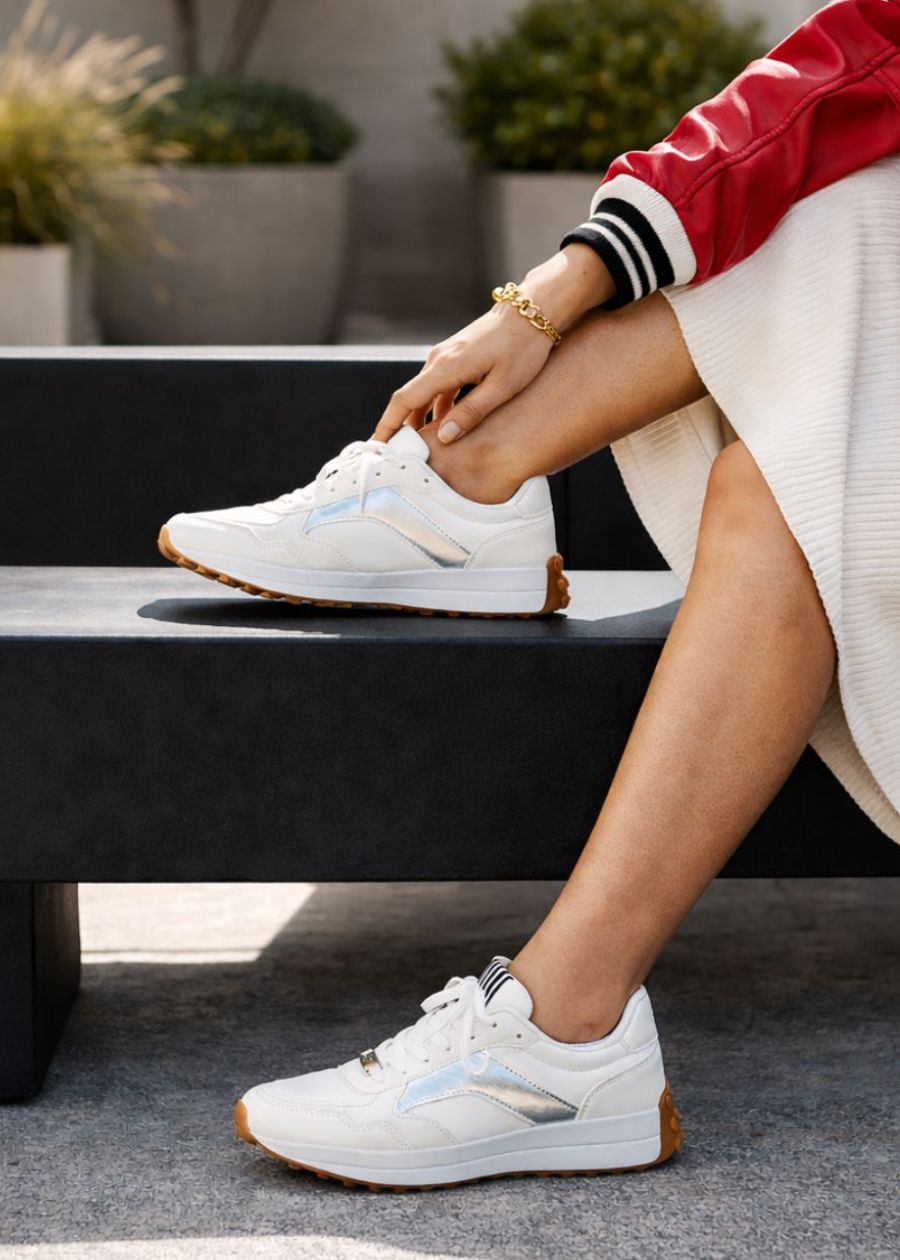
Pace walking shoes
Designed with a higher heel-to-toe pitch, Pace is made for women who spend long periods of time walking and want comfort, support and lasting underfoot support. Pace could be ideal for you if you experience Achilles or calf tightness, ankle mobility limitations, plantar fasciitis or just general foot fatigue.
Check out Pace walking shoes

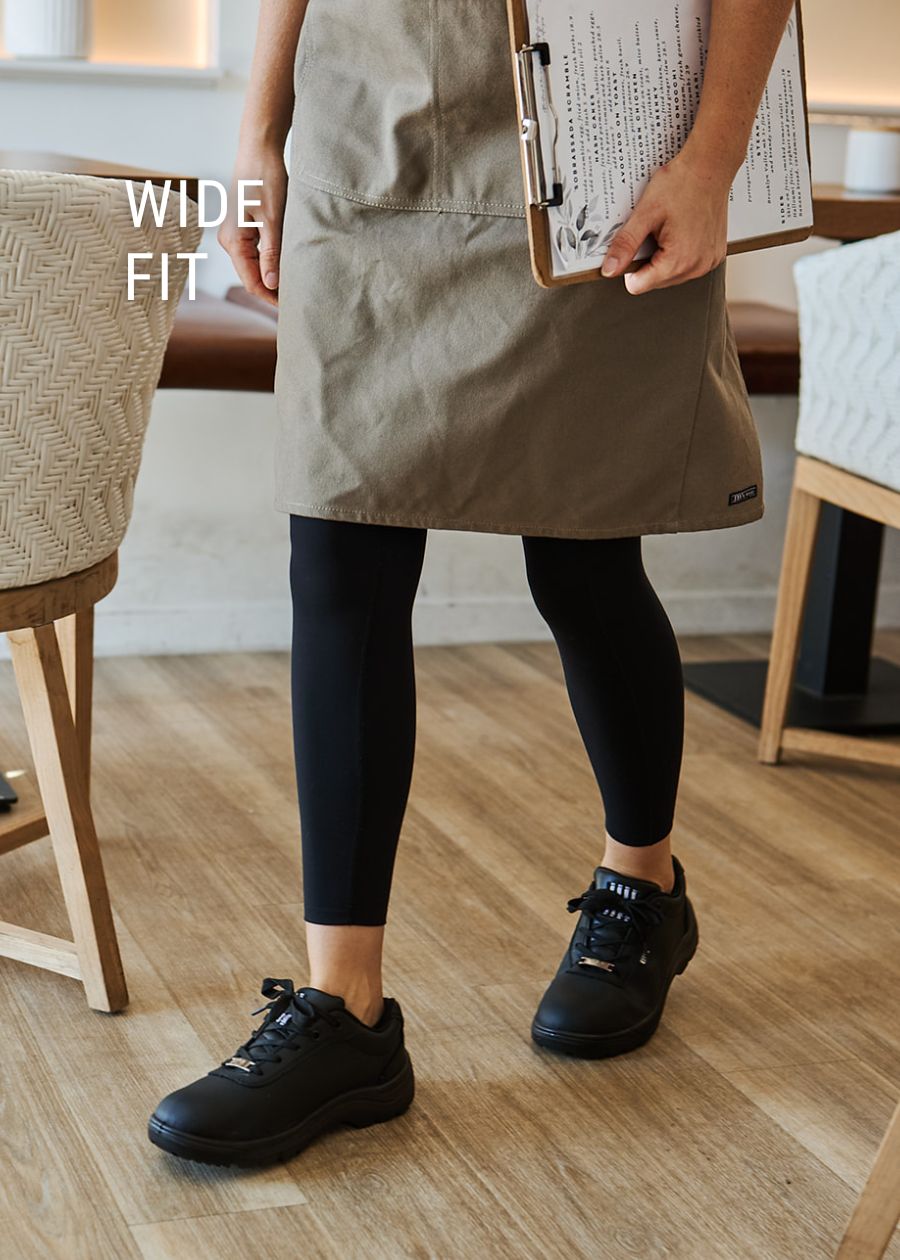
Supports work and lifestyle sneakers
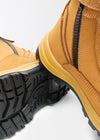
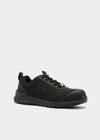
Originally designed for women working in retail, healthcare and hospitality, Supports combines work ready structure with everyday wearability. With a firm heel counter, bio mechanical footbed and a shock absorbing rubber sole with heel-to-toe pitch, it provides stability and support for long hours on your feet .. whether that’s at work or in everyday life.

Excels and Achieves safety boots
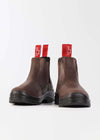
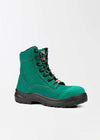
Need worksite safety without sacrificing comfort? These boots combine heel-to-toe pitch and stability to help manage load more comfortably during long shifts, supporting women who spend hours on hard surfaces.

What Makes Our Footwear Different?
Many footwear brands still follow a “shrink it and pink it” approach .. simply resizing men’s shoes for women. At she wear, our footwear is designed from the ground up for a female foot shape and the way women typically walk, stand and work throughout the day.
That includes:
• Contoured design to create a secure, comfortable fit .. not too loose, not too narrow
• Firm heel counters to help stabilise and support the foot
• Quality materials chosen to maintain structure and resist flattening over time
• Bio mechanical footbeds designed to support natural alignment and underfoot comfort
Let’s Talk About Heel Strike
Heel strike refers to how your heel makes contact with the ground when you walk. For most people, the heel is the first point of contact, making it where initial impact forces are felt. If footwear doesn’t provide enough structure or cushioning at this stage, that impact can contribute to fatigue over time.
A well designed heel-to-toe pitch works together with the midsole and overall shoe structure to help guide your foot through a smoother transition from heel contact to toe off. This can help walking feel more efficient and comfortable, particularly when you’re on your feet for long periods on hard surfaces.
Support Starts from the Ground Up
Your feet carry you through every moment of your day. Choosing footwear with the right heel-to-toe pitch isn’t just about comfort .. it’s about supporting your body through long hours of standing, walking and everyday movement. Our shoes are built with thoughtful design, structure and care, because comfortable, supported feet make a real difference over time.
Ready to walk better, feel better, and live better? Find your perfect fit here.

A note on barefoot footwear
You may have heard of barefoot or zero-drop shoes, which focus on minimal structure and natural movement. While we support the idea of allowing toes to move naturally and building foot strength, she wear footwear is designed for the reality of modern life .. long hours on hard, flat surfaces where many women benefit from cushioning, structure and heel-to-toe pitch for lasting comfort.
FAQs
1. What is heel-to-toe pitch?
Heel-to-toe pitch is the height difference between the heel and forefoot in your shoe. It influences how your foot moves through each step and how load is shared through the lower leg and foot during walking.
2. How do I know if I might benefit from a higher pitch?
If you experience tight calves, Achilles or ankle discomfort, plantar fasciitis or general foot fatigue, a shoe with a higher heel-to-toe pitch may feel more comfortable, especially during long periods of standing or walking.
3. Are she wear shoes suitable for plantar fasciitis?
Many customers managing plantar fasciitis choose she wear footwear because of its structure, support and cushioning. We do always recommend seeking professional advice.
4. Can I wear these shoes all day?
Yes. she wear shoes are designed for long hours on your feet, with structure and support suited to work, walking and everyday wear.
5. What makes she wear different from other brands?
She wear footwear is designed specifically for women, built around female foot shape and movement rather than adapting men’s designs. Our focus is on structure, comfort and long term wearability.